Abdullah3

We started where you are standing.

A parent-founded ABA practice in the East Bay, built around the kind of care we went looking for and could not find.

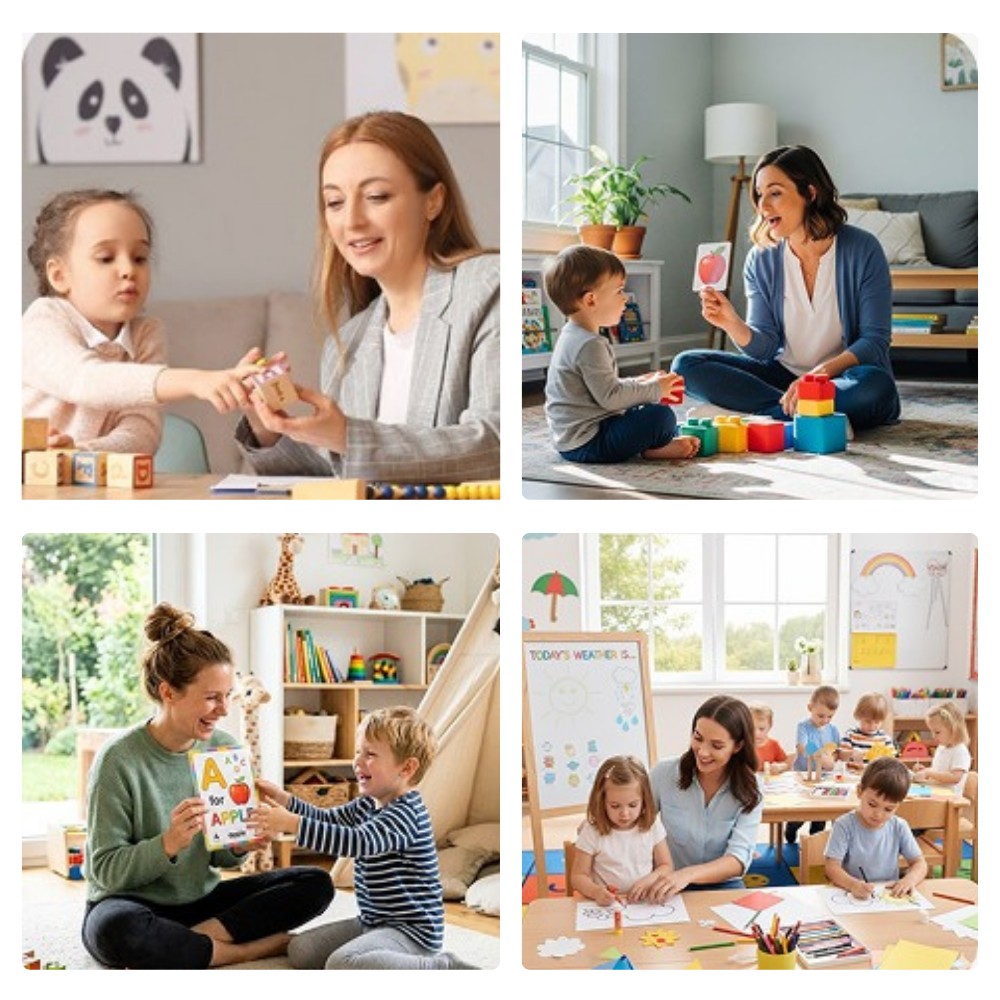
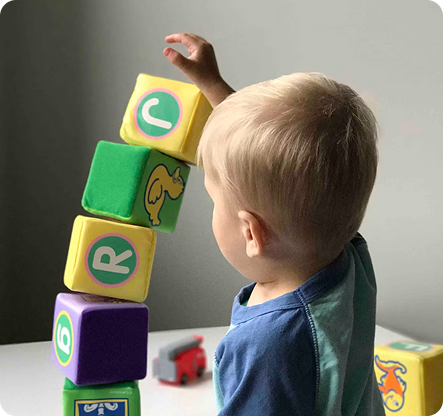
Parent and child learning together
Small caseloads we know your child's name
Founded by a parent who has lived this

Our origin story is not a marketing story. It is just what happened.

Nurture Path began with a parent, a diagnosis, and a year of phone calls. What our founder found was a system that assumed you already knew how it worked. Intake forms asking for numbers she did not have. Waitlists measured in seasons rather than weeks. Clinicians who were excellent, and clinicians who were kind, and not nearly enough who were both in the same room.
She kept a list of everything she wished someone had done differently. Nurture Path is that list, turned into a practice.

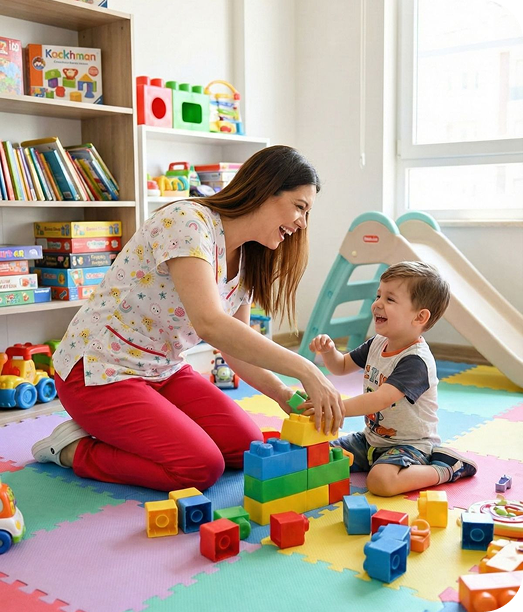
That is why our first conversation is short and free of jargon. It is why a clinician sits on your floor rather than behind a desk. It is why we tell you what we cannot do before you have spent money finding out.

What we actually mean by
our values?

Compassionate care

We move at a pace your child can tolerate. A child who feels rushed is not learning, they are coping.

Evidence-informed

Everything we use has research behind it. When something does not, we do not use it, however popular it has become.

Family-centred

You are not a bystander to your child's therapy. You are the reason any of it holds.

Respectful pacing

Progress at your child's speed rather than at the speed of a treatment plan or a funding cycle.

Our approach

How we work?

1

Built through play

We build foundational skills, support regulation, and
strengthen relationships. In practice that looks less like a
curriculum and more like play, structured carefully, in the
rooms where your child already lives.

2

Flexible by design

Our strategies come from developmental science and get
applied flexibly. If something is not working for your child,
we change it. That is not inconsistency. That is the method
doing its job.

3

Behaviour as communication

Behaviour is treated as communication rather than
misbehaviour. Before we ask how do we stop this, we ask
what is this achieving, and what could we teach instead
that costs your child less.

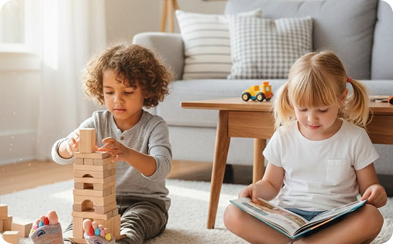
Children learning and playing together
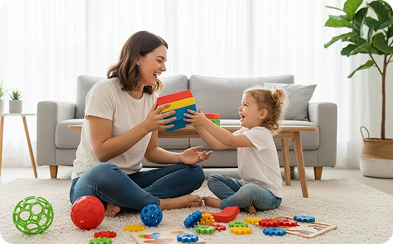
In your home Where skills actually get used

What that means in practice?

Children are not problems to solve. They are people to understand. That sounds soft until you watch what it changes.

It means we do not target a behavior simply because it looks unusual. Stimming is not on our list. It means we follow your child’s lead, we watch for their yes, and we stop when they tell us they are finished, however they tell us.
Progress and autonomy are not a trade. One depends on the other.

What that means in practice?

Children are not problems to solve. They are people to understand. That sounds soft until you watch what it changes.

It means we do not target a behavior simply because it looks unusual. Stimming is not on our list. It means we follow your child’s lead, we watch for their yes, and we stop when they tell us they are finished, however they tell us.
Progress and autonomy are not a trade. One depends on the other.

Who we are a good fit for?

We support young children with autism, developmental delays and related needs through individualised ABA therapy.

We work best with families who want to be in the room. If you would rather hand your child to a professional and receive an email update, we are probably not your practice. That is a real answer rather than a polite one, and we would rather give it early.

Young children and their families

Families who want care explained, not just delivered

Families who value patience over speed

Families looking for relationship-centred support

Where we are right now?

We are home-based, and we are new. We are honest about both.
Home-based is a deliberate choice rather than a limitation. It is where skills actually get used, and it removes a transition from a day that probably already has too many.

New means small caseloads and short waits. It also means we are still building the dedicated centre we plan to open. When we do, it will be calm, quiet and designed around how children actually experience a room, rather than around how a clinic usually looks

How we are set up?

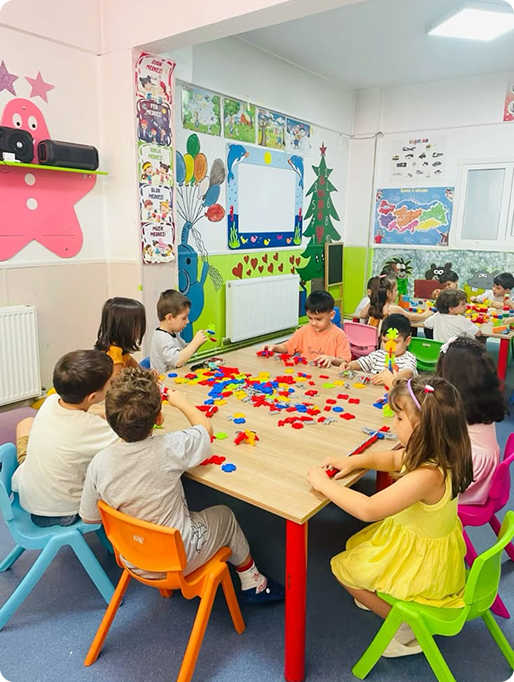
We deliver therapy in three settings: in your home, at our center, and in your child’s daycare or preschool. Which one is right depends on your child rather than on our convenience, and it can change as they grow.

We are small by choice. Smaller caseloads are what make it possible to know your child properly, to answer your call personally, and to adjust a plan the same week you tell us something is not working.

As we grow, we are committed to protecting what matters most: personalized care, responsive communication, and a team that truly knows your child and family.

3

Settings: home, center and preschool-based

Small

Caseloads, by choice rather than by capacity

1

Standard of care across every setting

The right support is built on trust,
which means we are not right
for every family.

We would far rather tell you that in the first conversation than in the third month.